

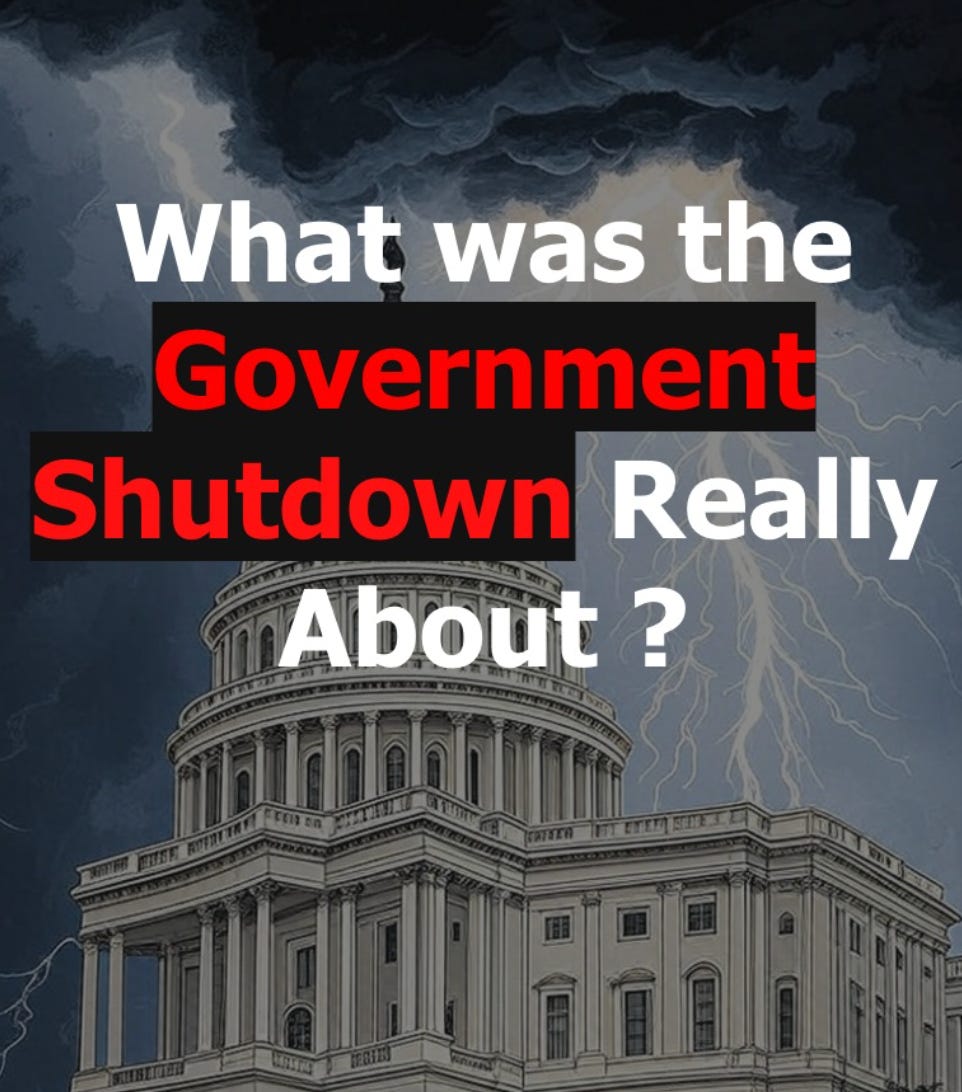
The whole mess boiled down to a bitter power play disguised as a budget fight. A useless, raw, political, blood-sport showdown between ideological tribes.
In the one corner: Democrats, clutching Obamacare subsidies like sacred relics. These tax credits, set to expire at year-end, were their leverage. They argued that without them, millions would see premiums skyrocket.
In the other: Republicans, controlling both chambers, demanding a “clean” continuing resolution. No policy riders, no grand bargains, just funding. They argued that reopening the government must come before any substantive negotiations.
It was not just a technical fight. The Democrats were under pressure from their progressive base. Fresh memories of a previous compromise (in March) still stung, where they gave ground with little to show. The Republicans framed the subsidy demand as an inappropriate hostage-taking tactic.
But real people paid for that brinkmanship. Roughly 900,000 federal workers were furloughed, and some “essential” staff like air-traffic controllers labored on without a paycheck. Millions relying on SNAP faced benefit delays. A gut punch to food-insecure families. Economically, each week of shutdown was dragging on growth, eroding public faith in government’s ability to function.
At its core, the shutdown was all about leverage. A deadly cocktail of ego, fear, and clandestine maneuvering, where Democrats and Republicans jockeyed for advantage over a backdrop of whispered scandals and hidden deals, while the machinery of government screeched to a halt.
Finally, after 43 days, a “deal” was struck and the government reopened, many workers got back pay, SNAP funding was restored, but those ACA subsidies weren’t extended yet. Instead, a vote was postponed to December.
The Washington rumor mill continues to churn relentlessly, with scandal, secrecy, and conspiracy as constant companions in the capital’s corridors of power. But beneath the smoke and mirrors, this wasn’t about paper and numbers at all. It was a useless political face-off, a self-inflicted circus easily avoided if members of Congress could communicate with even a shred of rationality or an authentic commitment to the people they claim to serve.
The longest shutdown in American history stands as a stark warning: a rapidly widening schism in governance that seems to have no end in sight, while the whispers and hidden deals and conspiracies of Washington hum on in the background like some persistent, malignant heartbeat.