

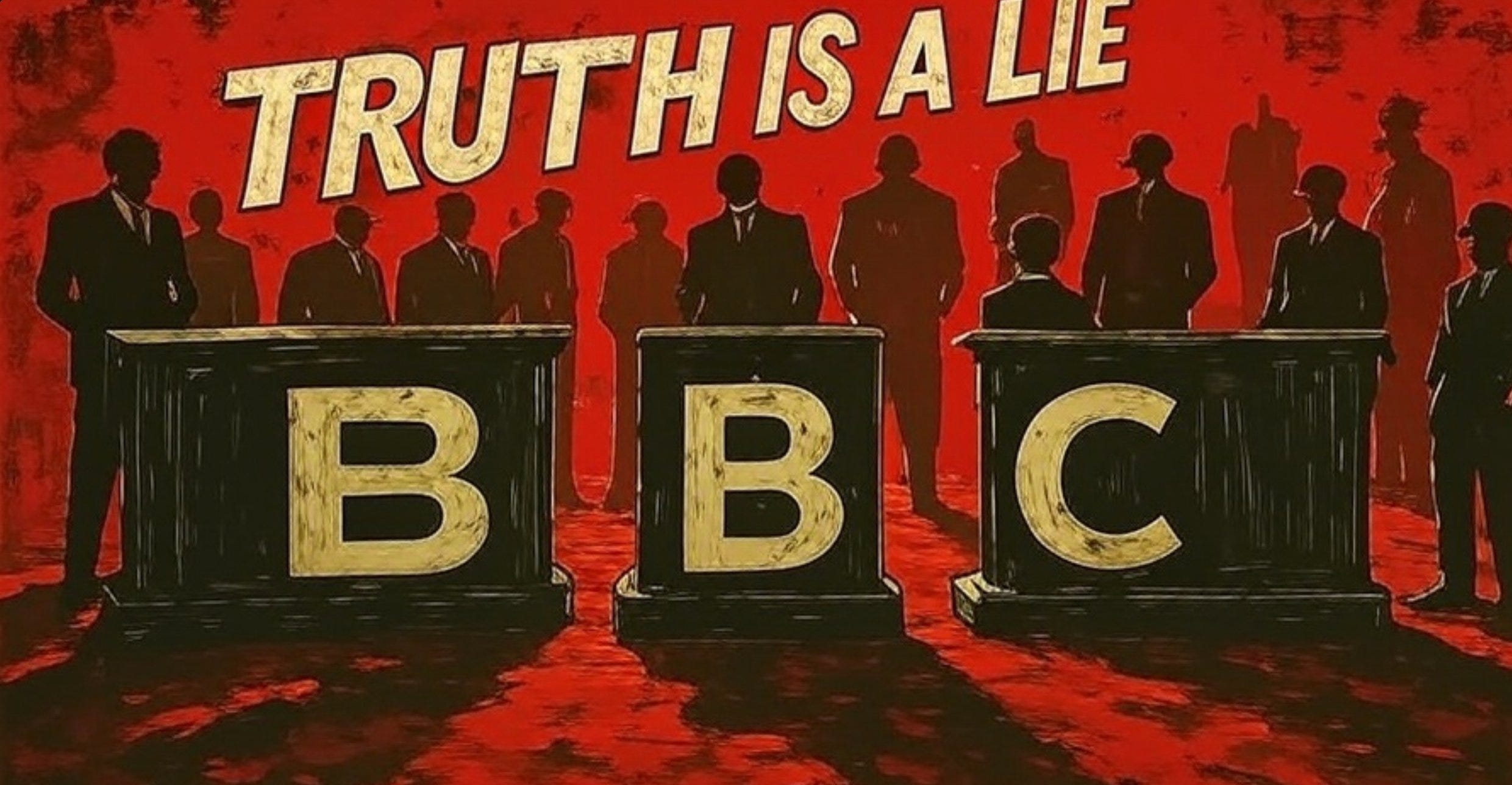
What happened at the BBC last week wasn’t just a newsroom error. It was a symptom of institutional disease, the kind that festers when power convinces itself it’s still moral. The scandal began quietly enough: a Panorama documentary aired a segment on the January 6th riots featuring Donald Trump’s speech. Except it wasn’t the speech he actually gave. A few seconds had been trimmed, others spliced, to suggest a call to violence that never came. Within hours, the White House caught on. Within days, Director-General Tim Davie and News Chief Deborah Turness were gone.
Inside the BBC, panic spread like a virus. Editors spoke of “human error,” but two resignations in 48 hours don’t happen over a typo. The corporation admitted to “an error of judgment,” but no one has explained who made it, or why. What’s clear is that the edit wasn’t random. It was political.
For years, there have been whispers about a culture warped by its own sense of virtue. Gaza, Brexit, Trump. All filtered through the same lens of moral superiority. When the footage was doctored, it wasn’t an accident; it was the culmination of an editorial worldview that long ago stopped trusting viewers to decide for themselves.
Now the institution that once lectured the world on journalistic integrity stands accused of manufacturing the very propaganda it condemned. Trump’s team is reveling in the fallout, Farage smells blood, and the public, weary of elite apologies, is asking why they should pay a license fee for fiction.
The truth isn’t that the BBC lied once. It’s that it forgot what the truth is for. In the end, that’s how great institutions fall, not with a bang, but with a dodgy edit.