

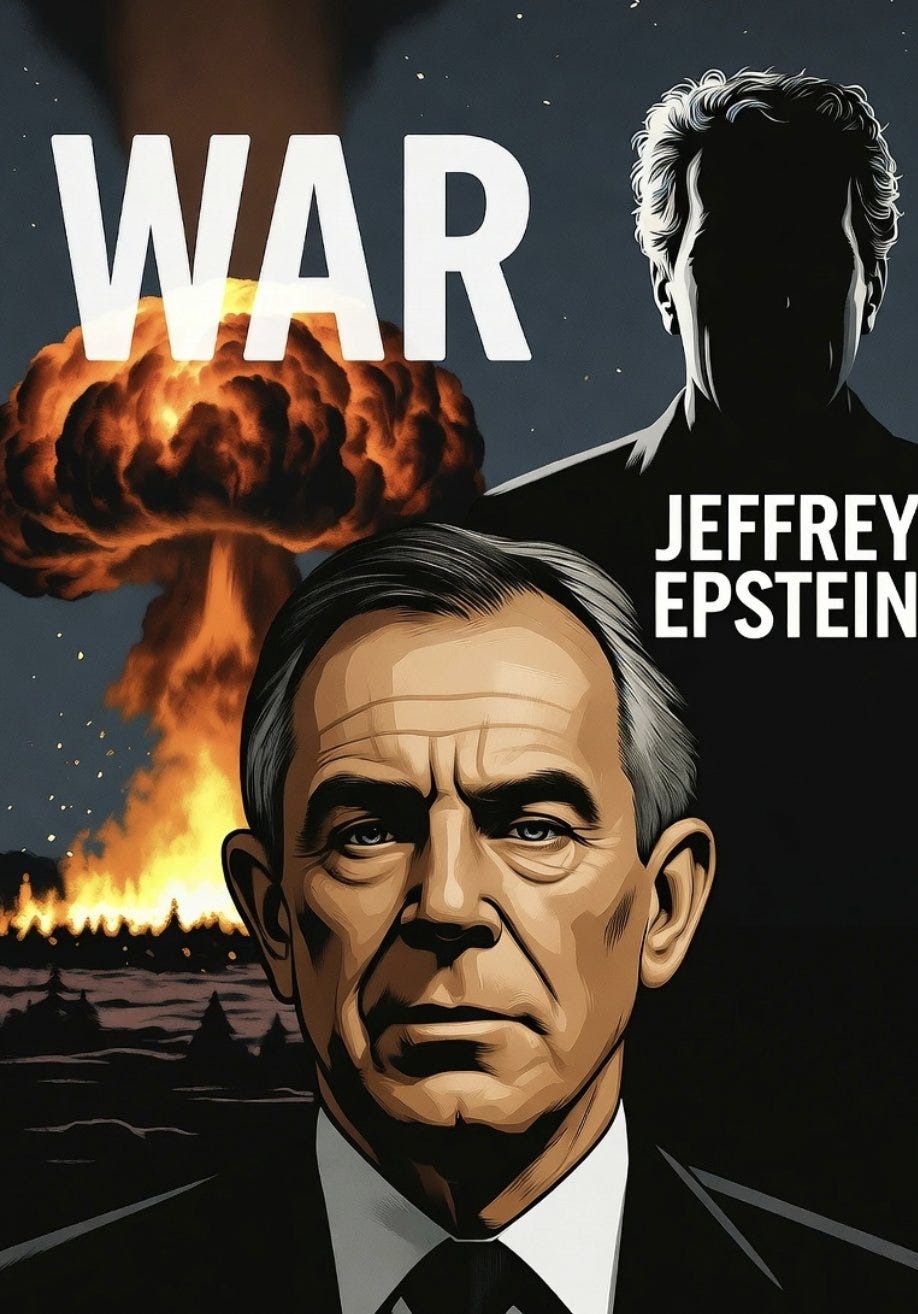
In the dim afterglow of British politics, Tony Blair looms like a ghost who refuses exorcism—his influence lingering in rooms where power is traded, not earned. The man who once sold a war now trades in shadows, resurfacing just enough to remind us that his network never really dissolved—it merely adapted.
Recent data analyses have unearthed strange convergences around Blair—threads connecting him to names and places that evoke the rot beneath the polished surface of global diplomacy. The Daily Mail’s disclosure of Blair’s private meeting with Jeffrey Epstein—held, no less, inside Downing Street—reframes the image of the modern statesman as something closer to a broker in moral bankruptcy. Lord Mandelson’s orchestration of that encounter only deepens the sense of an establishment comfortable wading through filth, so long as it remains perfumed.
But Epstein is only one ghost in Blair’s gallery. Another hovers over Gaza. Buried in reports from the Trump years lies a proposition—quietly floated, quickly denied—that Blair might head an “interim authority” in the Gaza Strip. Hamas rejected it outright, sensing perhaps what the proposal truly was: a Western puppet regime wearing the mask of reform. The notion reeks of an old colonial reflex—the idea that the Middle East needs management, not understanding. And at the center of that conceit stood Blair, ever ready to repackage intervention as salvation.
What emerges isn’t a story of a retired leader meddling from the sidelines. It’s the portrait of a man woven into the very architecture of post-imperial power—a creature of backchannels and private jets, who navigates between boardrooms, foundations, and governments with the ease of someone who helped design the game.
In Blair’s world, morality is negotiable, influence is currency, and “peace” is just another product line. The corridors of power he haunts aren’t lit by ideology but by the cold fluorescence of opportunity. And if you listen closely, you can still hear the whisper of deals being made in his name—each one wrapped in the language of progress, each one pulling us further into the same, familiar fog.